

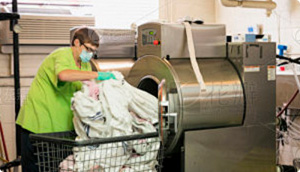

In the field of modern asset management, RFID technology has become a key tool for improving efficiency and reducing error rates. Among them, hotel laundry tags (RFID tags for hotel linens) and medical laundry tags (RFID tags for medical textiles) have attracted much attention due to their special application scenarios.
But did you know? These two seemingly similar tags have vastly different requirements when it comes to actual purchasing and usage!
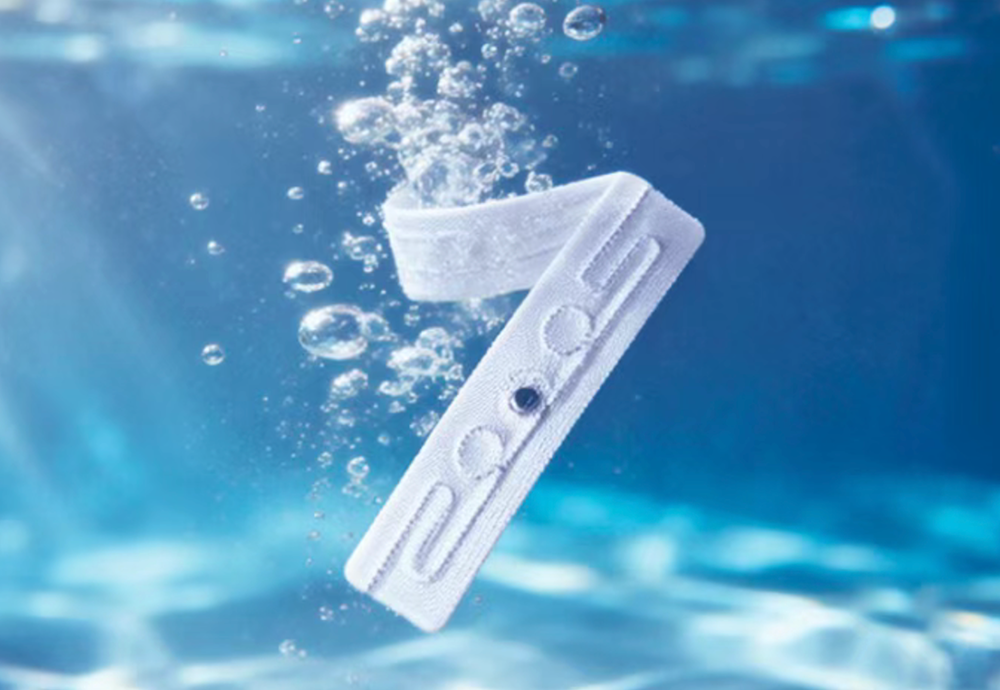
I. Core Difference: Antenna Material
1. Hotel Laundry Tags: Use metal wire antennas. This design meets the basic requirements of hotel linen washing environments and offers a cost advantage. Metal wire antennas perform stably under standard washing conditions and can withstand the washing temperatures and chemical treatments standard in the hotel industry.
2. Medical Laundry Tags: Use special synthetic material antennas, which is determined by the core needs of the medical industry. Synthetic material antennas can not only withstand harsher washing conditions, but more importantly, they do not interfere with precision medical equipment such as Magnetic Resonance Imaging (MRI) in hospitals. This point is crucial for the safety of the medical environment!
II. Environmental Resistance: More Than Just a Temperature Difference
1. Requirements for Hotel Laundry Tags
· Temperature resistance: Usually 60-75℃
· Chemical resistance: Standard detergents and fabric softeners
· pH range: Normal washing pH range
· Mechanical strength: Meets the friction and compression requirements of hotel linen washing
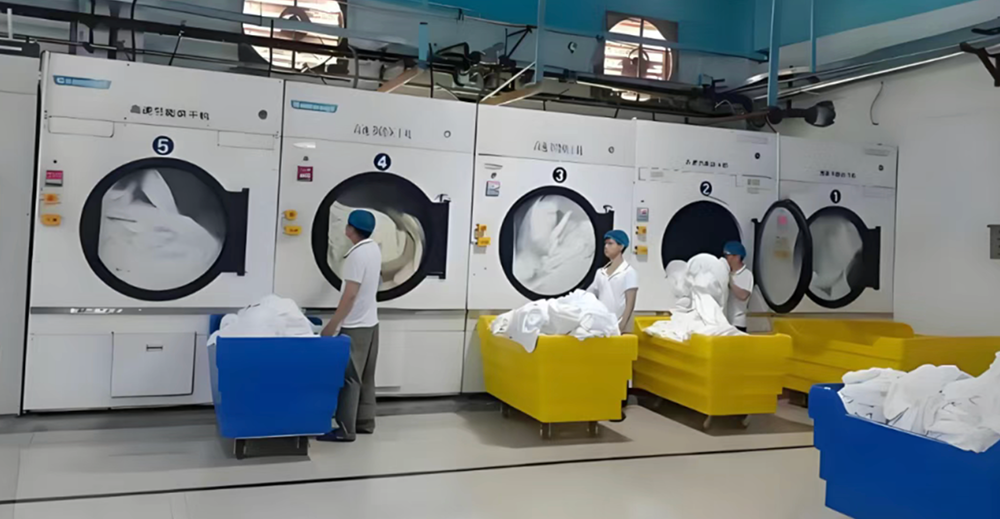
2. The "Hardcore" Standards for Medical Laundry Tags
· High-temperature sterilization: Must withstand high-temperature steam sterilization above 134°C.
· Strong chemical resistance: Resistant to powerful disinfectants such as hydrogen peroxide and peracetic acid.
· Wide pH range: Can withstand extreme environments with a pH value of 2-12.
· Multiple sterilization methods: Compatible with various sterilization processes, including high-pressure steam and ethylene oxide (EO).

III. How to Avoid the Cost of "Using the Wrong Tags"?
· Scenarios Suitable for Choosing Hotel Laundry Tags:
- Linen management for hotels and guesthouses
- Tablecloth and uniform management for restaurants
- Textile management where the washing temperature does not exceed 75°C
- Scenarios that do not require exposure to strong chemical disinfectants
· Scenarios Where Medical Laundry Tags Must Be Chosen:
- Medical textiles such as hospital surgical gowns, bed sheets, and patient gowns
- Any medical devices or fabrics requiring high-temperature and high-pressure sterilization
- Any items that may come into contact with strong disinfectants
- All items entering areas with MRI and other magnetic resonance equipment
IV. Common Misconceptions and Risk Warnings
Misconception 1: "Medical laundry tags are more durable and can be used universally."
Fact: Medical laundry tags usually cost 30%-50% more than hotel laundry tags. Using them in non-medical environments results in unnecessary cost waste.
Misconception 2: "Hotel laundry tags can also withstand high temperatures."
Risk: Hotel laundry tags may melt or fail in the high-temperature environment of medical washing, and may even contaminate medical items, causing serious safety hazards.
Misconception 3: "The tag is small, so it doesn't have much impact."
Warning: Incorrect tags entering the MRI room may cause equipment damage or image interference, affecting diagnostic accuracy!
V. Professional Purchasing Advice
· Clarify the Usage Environment: Evaluate in detail the maximum temperature, chemicals, and sterilization methods the tag will be exposed to.
· Certification Standards:Passed the GB18401 test, harmless to the skin.Passed the RoHS test, non-toxic and free of carcinogenic substances.Passed the EU SVHC test, non-toxic and free of carcinogenic substances.Soft laundry tags meeting the requirements of MRI (1.5T, 3T) testing.Passed the EU OEKO-Tex Std.100 Class I test, safe for contact with infant and adult skin.Passed EU EECC certification.
· Testing and Verification: Before bulk procurement, conduct small-batch environmental resistance testing first.
· Supplier Evaluation: Choose suppliers with experience in supplying the medical industry.
· Lifecycle Consideration: Although medical laundry tags have a higher unit price, they have a longer service life in harsh environments.
In the selection of RFID tags, "you get what you pay for" is an eternal truth. The fundamental differences between hotel laundry tags and medical laundry tags reflect the special requirements of their respective application scenarios. The wrong choice will not only lead to tag failure and wasted investment, but may also create safety hazards in medical environments.
Whether you are a hotel manager or a hospital procurement officer, only by clarifying needs, understanding differences, and making scientific purchases can RFID technology truly become a powerful tool for improving management efficiency, rather than a hidden source of risk.