
Scenario Background: The Real Pain Points of a Large Tertiary Grade-A General Hospital
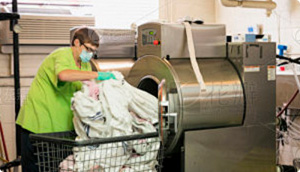
The hospital involved in this case has over 2,000 open beds, nearly 100,000 annual discharges, and over 30,000 annual surgeries. The daily circulation of medical textiles—including patient gowns, bed unit linens, medical staff uniforms, and operating room scrub suits—involves high-frequency turnover every day and is a rigid requirement connecting the three ends of the wards, infection control, and logistics.
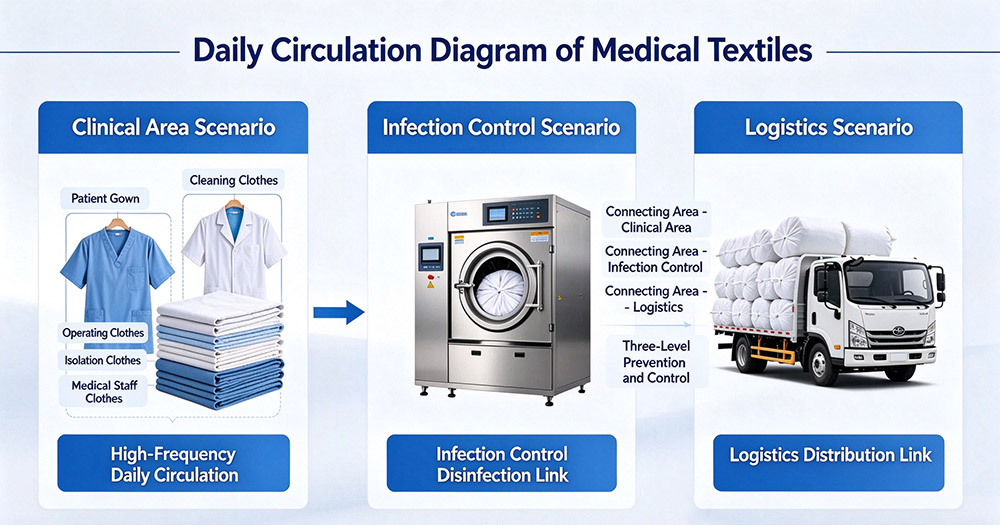
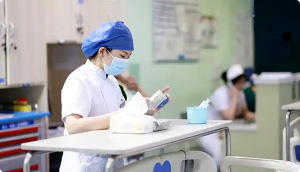
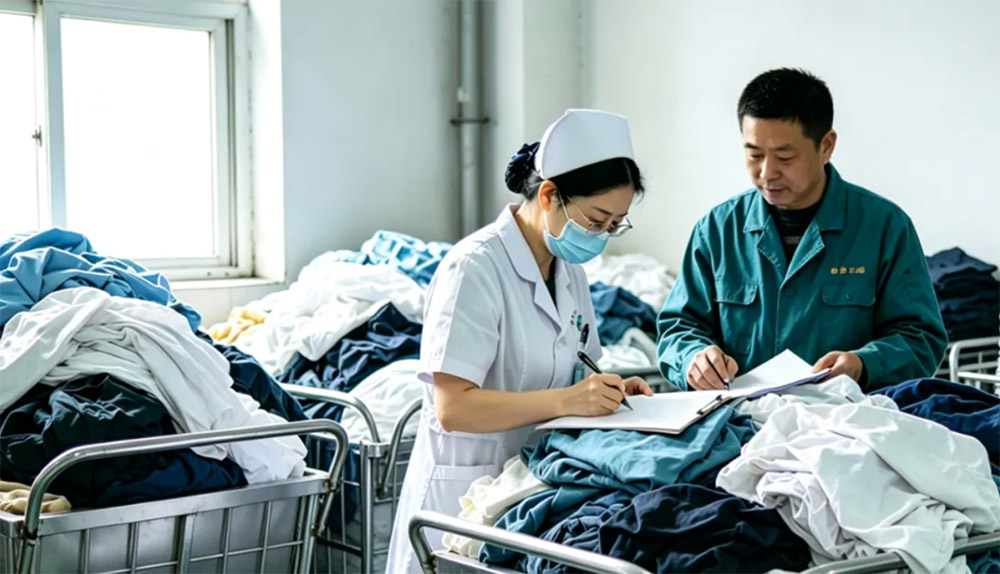
However, for a long time, this process has been highly dependent on manual labor: nurses working with logistics staff to count items piece by piece, manually registering them, reconciling accounts across departments, conducting monthly inventories, and organizing infection control ledgers... A large amount of administrative work continuously takes up clinical nursing time. Paper records are prone to errors and difficult to trace, and cross-department communication costs remain high. Especially during peak admission/discharge periods and busy surgical schedules, verifying the quantity of textiles is time-consuming and labor-intensive, further increasing the pressure on departmental material management.
I. Transformation Approach: Lightweight, Low-Burden, and Traceable
To align with the fast-paced frontline workflow without adding extra burden to medical staff, the hospital introduced a customized, lightweight digital management solution for medical textiles. It does not change the original receiving and dispensing routes and is suitable for use in all hospital wards and operating rooms. The core logic is: "Nurses operate less, the system computes more, and logistics handles the processes."
II. Three Major Modules | Minimalist Operation with Zero Burden
1. RFID Handheld Terminal for Textile Collection:
Operated by staff from the linen center, the handheld terminal is used for on-site collection of soiled textiles from wards. It performs batch sensing and identification of textile tags, automatically categorizes general textiles and infectious textiles, and binds them to the corresponding department and category quantities. The system automatically generates a collection receipt, which serves as the sole basis for the subsequent allocation of clean textiles.
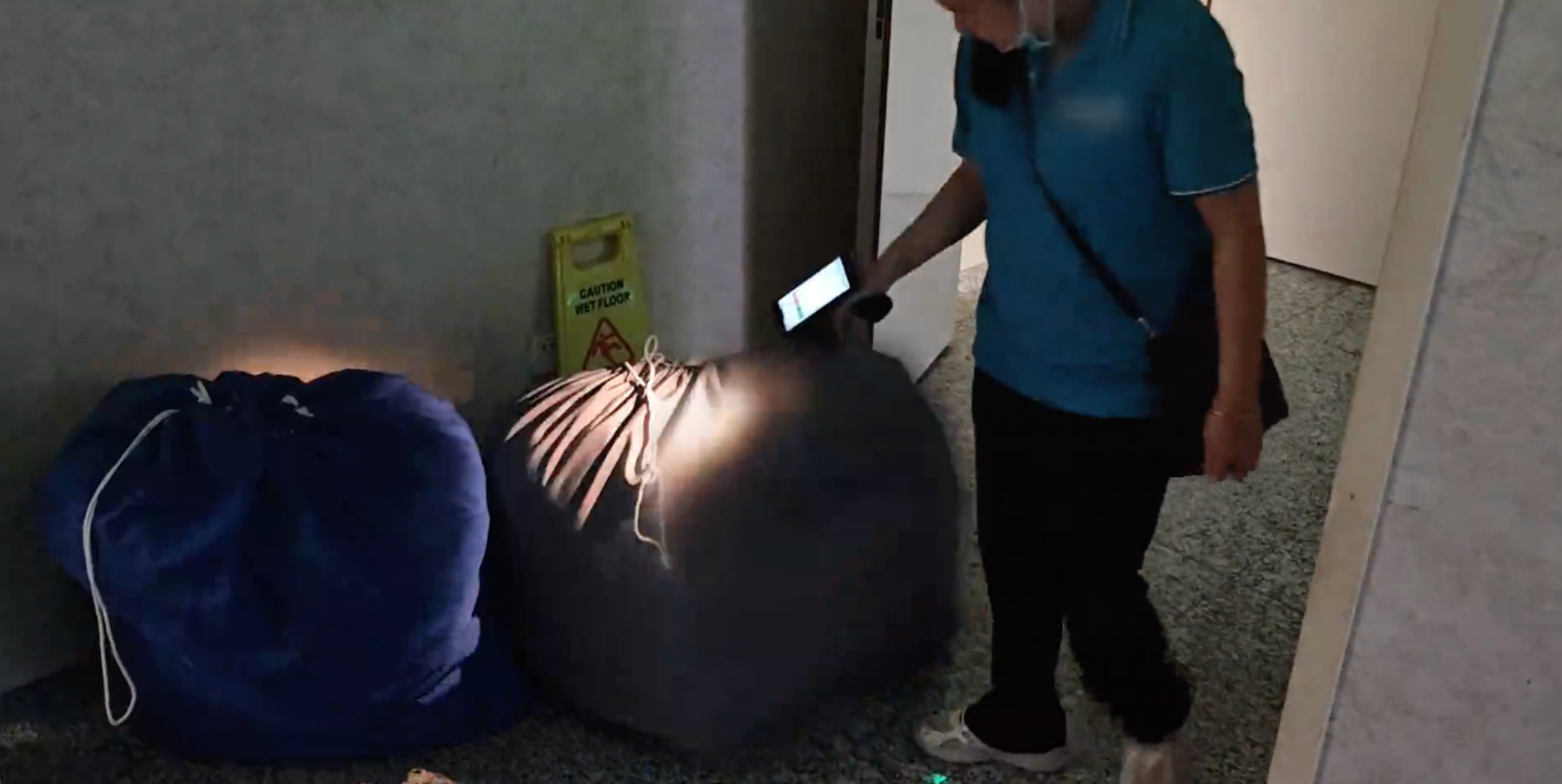 Handheld Terminal Collecting Soiled Textiles
2. Smart Counting Station for Textile Dispensing:
After the surgery is completed (Note: based on context, this likely refers to the end of the ward's daily operations), medical staff only need to... (Correction based on the original Chinese context): The linen center staff use the smart counting station to retrieve the collection receipts of each department, accurately sort the clean textiles by category and quantity, complete department-specific packaging, and then distribute them uniformly. The system automatically verifies and records in real time, ensuring that "what is collected, what is distributed, and how much is distributed" is fully traceable throughout the process.
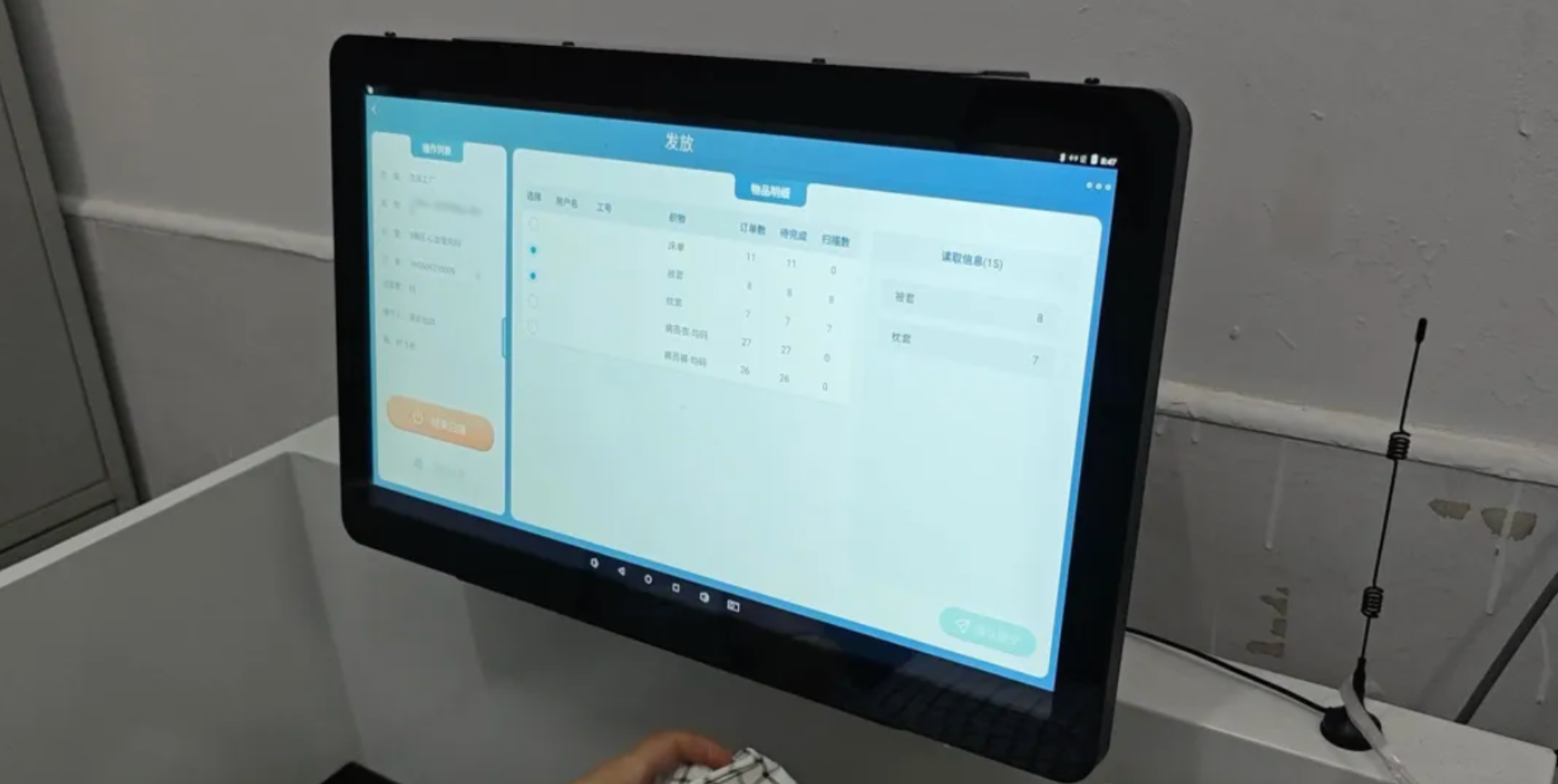 Smart Counting Station Dispensing Clean Textiles
3. Web-Based Textile Receiving and Dispensing Reports | Ledgers Automatically Generated, One-Click Verification and Reconciliation:
The Web management backend integrates the hospital-wide collection and distribution data, automatically generating daily, weekly, and monthly reports. Head nurses can view their department's circulation details at any time and export compliance ledgers with one click. The infection control and logistics departments can control the circulation of textiles globally and trace the trajectory of every single piece of textile.
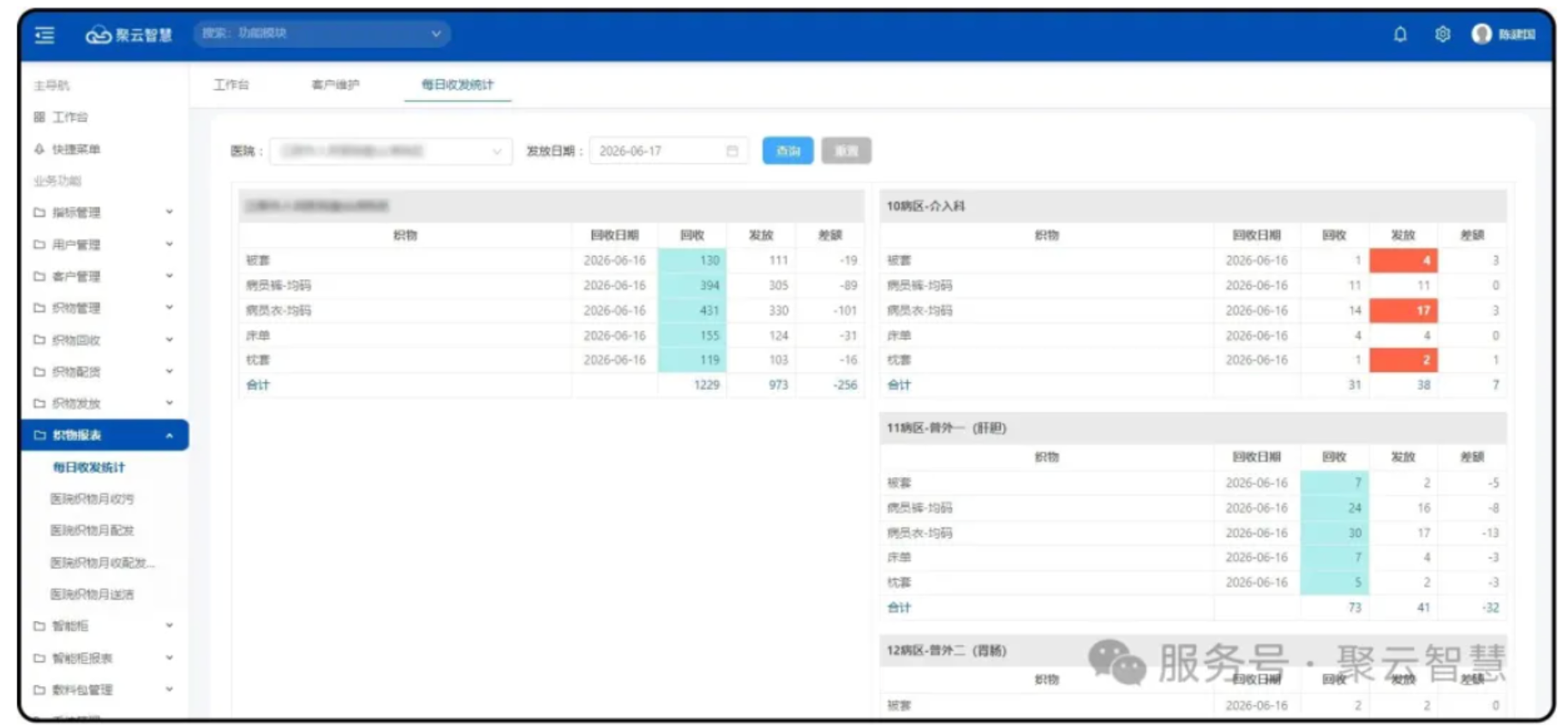
Textile Receiving and Dispensing Statistical Report (Example)
III. Practical Results | A Win-Win for Both Clinical Staff and Management
Sense of Gain for Frontline Medical Staff:
· Textile handover workload reduced by approximately 80%, stripping away non-nursing tasks such as counting, signing, reconciliation, and bookkeeping.
· Paper ledgers eliminated, making the ward office environment cleaner and tidier.
· Receiving and dispensing data is system-archived with clear rights and responsibilities, greatly reducing communication friction between medical staff and logistics.
Upgraded Hospital Management Quality:
· Traceable textile classification, strictly complying with infection control standards for the washing and disinfection of medical textiles.
· Precise statistics on departmental textile consumption, providing a basis for optimizing washing and procurement costs.
· Standardized circulation processes, effectively reducing the risk of textile loss and cross-infection caused by mixed transport.
Project Conclusion
Good digitalization of hospital logistics is never about restricting medical staff or increasing their workload, but about serving the clinical frontline and empowering them.
This case was provided by Juyun Smart with one-stop services including full-process hardware and software equipment, system development, and implementation/operation & maintenance. Through lightweight hardware and software modifications, it fills the gaps in manual management, respects the original workflow rhythm of medical staff, eliminates the burden of administrative tasks, and balances the three core needs of infection control safety, departmental management, and humanistic workload reduction.
This solution has been proven effective in actual operation and is suitable for rapid implementation and replication in public hospitals and specialized hospitals at all levels.