
I. Project Background: Saying Goodbye to the Management "Gray Zone"
As the core platform of a hospital, the standard of behavior management in the operating room directly affects medical quality. However, before the implementation of this project, the traditional operating room had long been in a management "gray zone" regarding the management of scrub suits and surgical shoes, specifically manifested as follows:
· "Mysterious whereabouts": Severe wear and loss of scrub suits and surgical shoes led to continuous asset drain and great difficulty in controlling operating costs.
· "Mixing of clean and contaminated items": Cross-contamination between areas for storing used contaminated clothing and clean items posed clear infection control risks and process flaws.The traditional extensive management model can no longer meet the requirements of lean management in modern smart hospitals. A targeted management reform is imperative.
II. Solution: Introducing the Intelligent Dispensing System
To systematically solve the above pain points, we introduced scrub suit/surgical shoe dispensing cabinets into operating room behavior management, aiming to build a closed-loop control system covering medical staff identity verification, intelligent clothing dispensing, and full-process tracking management.
By integrating various authentication technologies such as RFID, facial recognition, or employee ID cards, the system ensures that every medical staff member can conveniently and compliantly complete the collection and return of scrub suits and surgical shoes. At the same time, the system can grasp the real-time usage status of items and inventory dynamics, standardizing personnel behavior from the source, improving management efficiency, and reducing operational and infection risks.
The core components of the solution include:
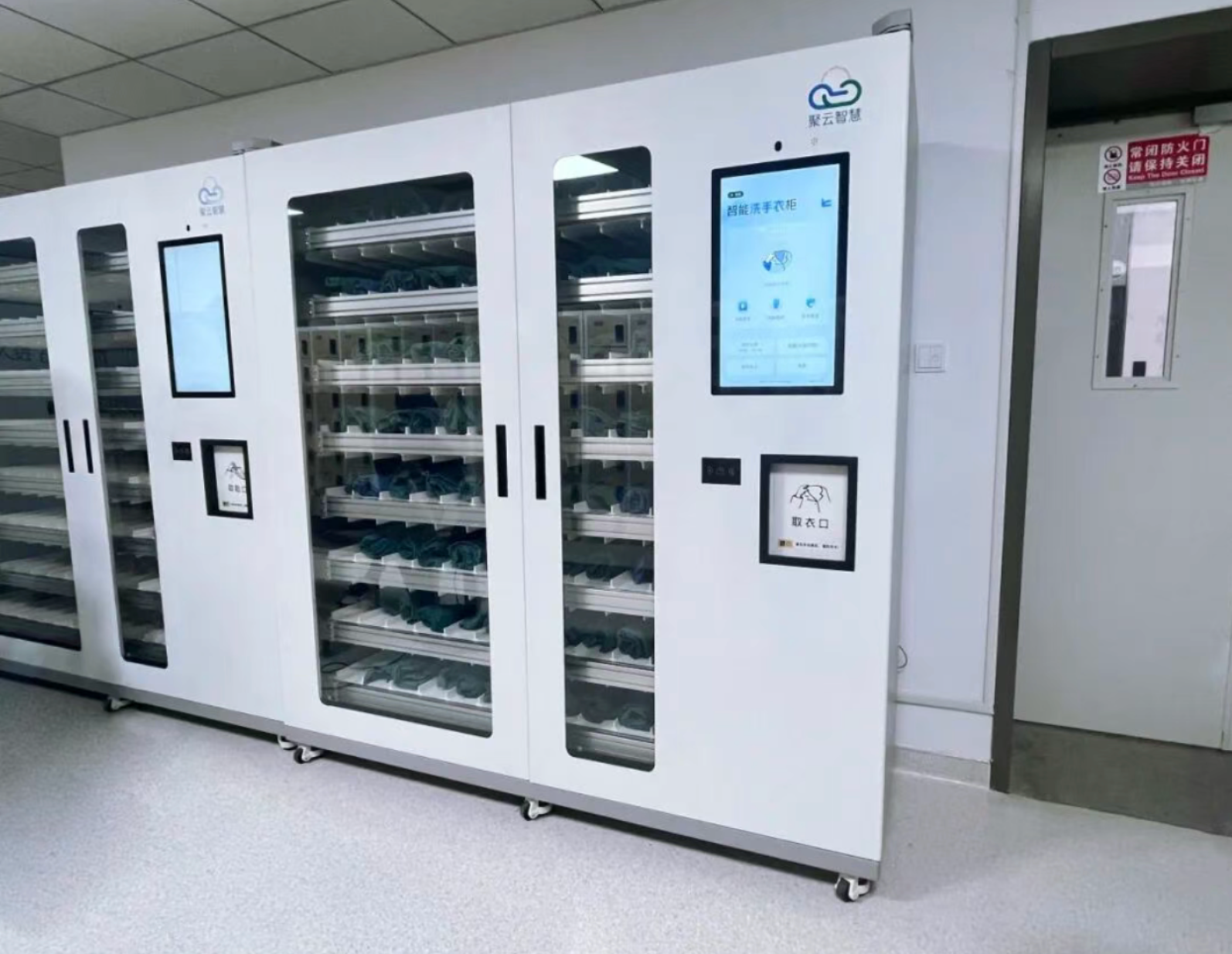
Intelligent Dispensing Cabinet: Integrates RFID readers/writers and identity authentication modules, seamlessly connecting with the hospital information system to accurately dispense clean scrub suits and surgical shoes.
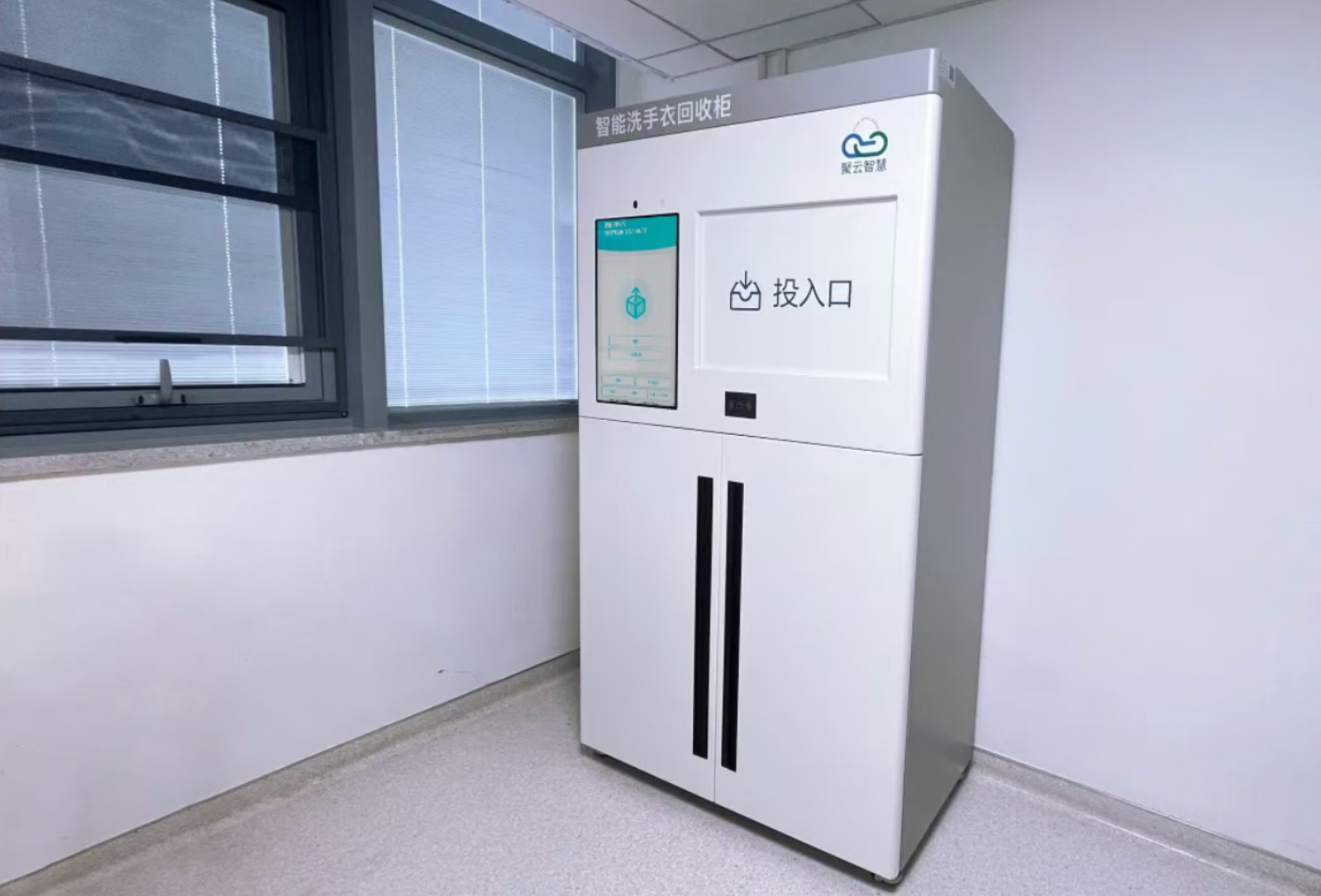
Intelligent Recycling Cabinet: Specifically designed to collect contaminated clothing and shoes, completing the usage loop.
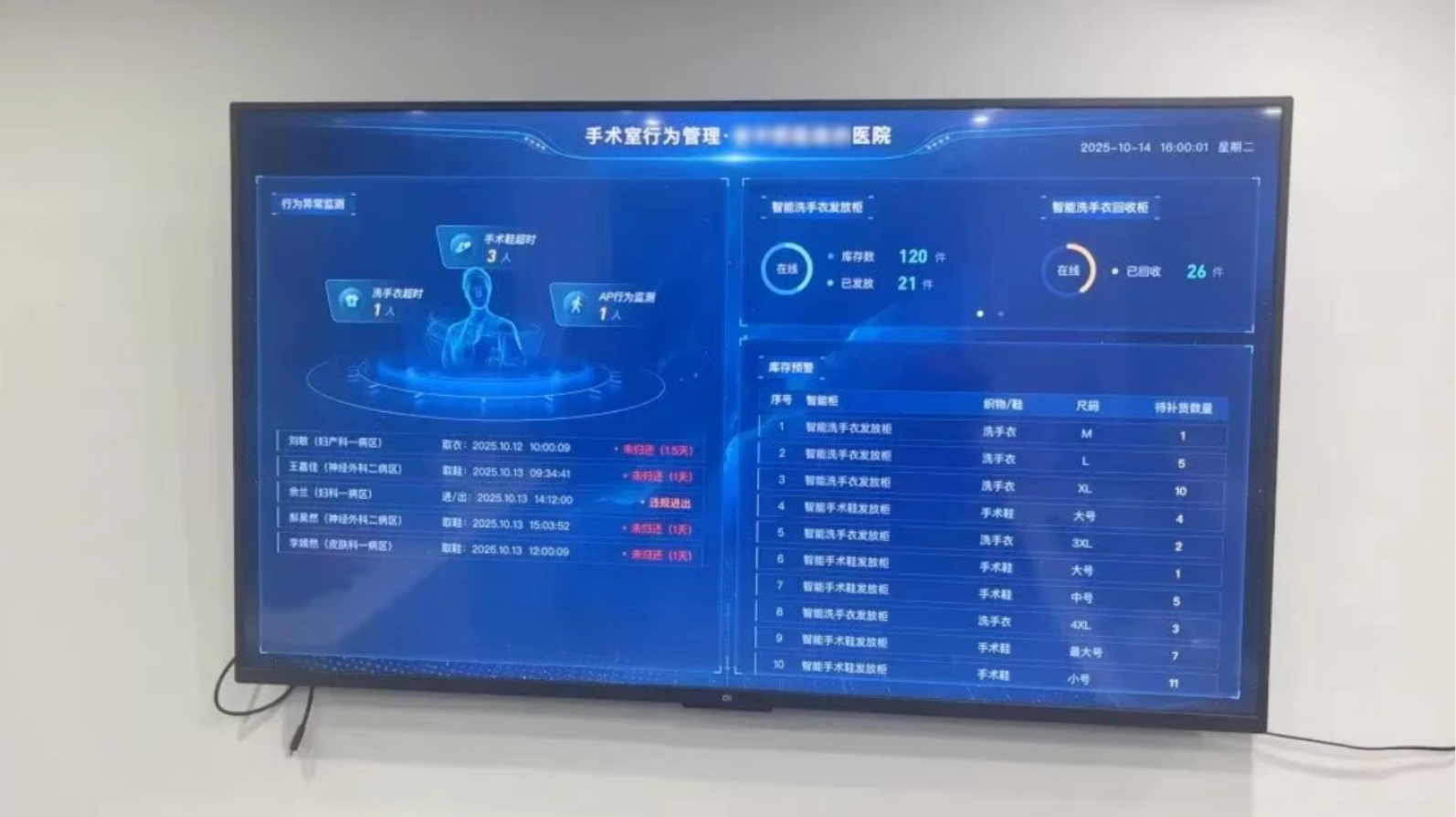
Smart Visual Dashboard: Serving as the monitoring center for management status, it displays key operational data in real time, including: records of violations regarding entering/exiting with improper clothing/shoes, alerts for items not returned on time, real-time inventory and pickup dynamics, low inventory notifications, etc., making management clear at a glance.
III. Project Implementation Process: From Blueprint to Reality
Phase 1: Preliminary Planning and Customized Design
The project team held multiple rounds of in-depth communication with the department head nurse and relevant users to comprehensively review the workflow and management needs. Based on the actual foot traffic in the hospital's operating rooms and the layout of the locker rooms, customized designs were created for the cabinet dimensions, user interface, and overall workflow, ensuring that the system truly achieved "tailor-made" status.
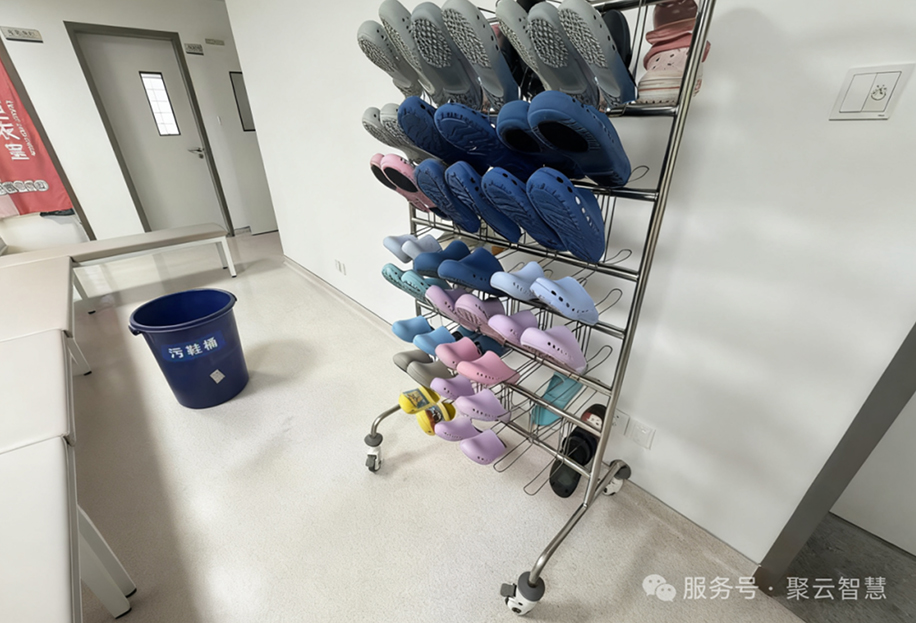
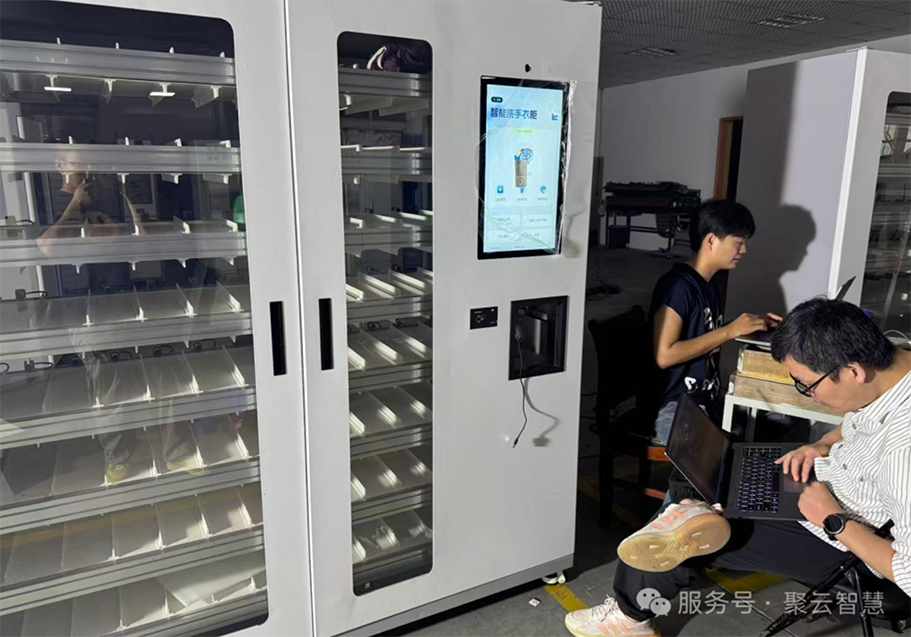
Phase 2: On-site Installation and System Integration
The implementation engineering team took full advantage of non-peak surgical hours to carry out fast and efficient installation and deployment, minimizing the impact on the normal operation of the operating rooms. They successfully completed all hardware installation, network connection, and data integration with the hospital's existing systems.
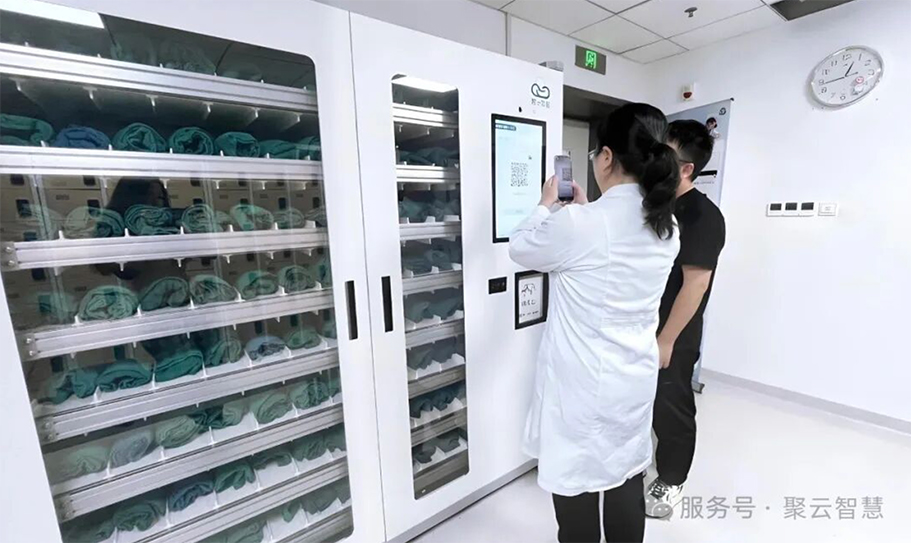
Phase 3: Full Staff Training and Trial Operation
Multiple sessions of operation training covering all staff were organized to ensure that every member of the operating room could proficiently master the clothing pickup and return process. During the trial operation period, user feedback was actively collected, and targeted fine-tuning and optimization of the system were carried out.
Phase 4: Official Launch and Continuous Support
After the system was officially launched, the project team provided round-the-clock continuous technical support to ensure a smooth transition and seamless integration with daily work.
IV. Conclusion
The successful implementation of this intelligent scrub suit/surgical shoe dispensing cabinet project marks a key step in the hospital's journey toward "smart hospital" construction. It is not merely an upgrade of management tools, but also an innovation in management philosophy, successfully transforming what was once vague and inefficient behavior management into something clear, efficient, and controllable.